It is the eve of a brand new school year. Once again I will be requiring my students to reflect on their learning and themselves through the use of a blog. Each year I plan to blog along with them but I end up not doing it due to *insert excuse here*. I could fill that in with dozens of things that I have said over the years. But my hypocrisy is there staring me in the face. I spend so much time convincing them that reflection is maybe the greatest of the IB learner profile traits and yet I am not doing it myself. Well I do, but not in a meaningful way that I can look back on and track my growth. So I am making a new commitment to reflecting on my craft. When I was actively blogging I found it to be a very cathartic experience. I hope to recapture some of that feeling agian as I embark on 20th year in the classroom.
My thoughts about the importance of the IB learner trait of reflection:
It is the most important of the traits because without it you are not a learner. If you do not reflect on what you have done or ways you could have done it differently then how can you possibly improve? It is through reflection that we can measure our growth. Without reflection we just simply exist. Without honest reflection we can't get better. This year I will strive to do this alongside my students.
Sunday, August 26, 2018

Sunday, July 17, 2016
Unit 2 Work Product - 2016 E&M Modeling Instruction Workshop
'*In every modeling workshop there seems to be that moment when your brain explodes in a sudden clarity of understanding. This is that unit for me. This was the area I was weakest in understanding and just went through the motions with my students. The sad thing is I thought I understood it well enough. I definitely did not. On with the show.
Day 4 began with Don doing a bit of a review on proportional reasoning using the equation we derived on Day 3. An important bit of language was added to our vocabulary. If the distance doubled between to charges what happens to the force? Rather than saying it quarters, or it goes down by a fourth he asked us to use the following phrase: It decreases (or increases) by a factor of #. Where the # gets replaced with an integer. So if the distance doubles, the force decreases by a factor of 4. If the distance triples, the force decreases by a factor of 9. Half the distance? The force increases by a factor of 4. He also used the graph from our lab to reiterate this relationship that was very helpful visually.
He then brought our attention back to the fact that the Coulomb's Law and the Universal Law of Gravitation were so similar. We have been using this concept of gravitational field strength in our class for some time now. But haven't really talked much about them. The gravitational field of the earth is what gives an object weight. It pulls roughly 10N for every 1kg. If I double the mass, I double the force. This happens with charged objects too. So in this way we can think of charged objects of having an electric field. Since our units for grav. field are N/kg an analogous idea for charges would be the N/C. If I double the amount of charges the force increases by a factor of 2. Grav force can be calculated using the formula F=mg. Elec. force can be calculated using the equation F=qE. Since forces are a vector component, one of the variables on the other side of the equation must be a vector too. Mass can't be, and charges have pos. and neg. but it doesn't indicate direction of anything so we concluded that fields must have direction. Gravity fields are easy, they only pull one way so the earth's gravitational field points straight down. But we have different charges for electric fields so how will that work? Convention time! Evidently it was decided long ago that we will work with positive charges when determining the forces on charges. So the E. field points in the direction that a force would act on a positive charge due to the field.

So we came up with 2 rules about drawing electric field lines before we did some problems.
1. lines are drown in the direction of the force on a charge placed in the field.
2. closer spacing = stronger force.
As you move away from the center charge the lines get farther apart so force decreases.
If we have two long oppositely charged plates it forms a relatively constant electric field in between the plates. We know this because the field lines would all be equally spaced and parallel to each other. (It breaks down around the edges though so stick to the middle!)
We then reviewed energy and the fact that energy can be:
1. Stored
2. Transferred
3. Conserved
And since we can't see energy we have to classify it by the way that we observe it. (Kinetic (motion), Grav. (height), elastic (stretch/compression), heat (temp)) So what about electrical? We discussed it using an eraser in the gravitational field. When you lift the eraser does the eraser itself have more energy? The discussion led to that the energy is stored in the field itself. I don't know how to feel about that. Stuff we can't see is stored in something that is not really an object that we made up to explain the idea of things affecting other things at a distance. I don't like when we just have to accept something at face value but I don't see a way to come up with this idea other than how we did it. Another thing to keep thinking about.
We introduced the idea of gravitational potential and electrical potential. It is sort of like field strength for energy. Field strength was the force per unit of mass/charge, potential is the energy per unit of mass/charge. I think this is a particularly difficult idea just because it is something that really never gets used in normal conversation other than with batteries. Let's be honest, very few people understand what potential means with batteries either. It is just a word that is used with very little context or understanding around it. We began talking about potential using contour maps and dealing with the grav. field. Potential can be seen as a hill. The steeper the hill the stronger the localized field is. The taller the hill, the more potential there is. It was easy to wrap our head around because most of us had seem something like this before. Electrical equipotentials were a bit more difficult. We have opposite charges now.
 At this point we did "the lab". I did not realize at the time how important this lab was, but we came back to it the rest of the workshop. Super important for our understanding. We placed two iron bars in a baking dish with a bit of water in it. We then connected them to a DC power source and used our potential-o-meters to measure the electrical potential at about a billion places. (Took forever!) we then graphed it using plot.ly to get a graph that looked just like a hill!
We had noticed that the hill looked like it was constant in its steepness for the majority of it. We concluded that must be the field strength value. Some groups used different voltages on their power supplies and got different slopes. Some used less distance between the plates and got the same result. We realized that if we moved the bars closer the hill would get steeper because the top and bottom had to stay the same. This connected back to our contour maps. When equipotential lines are close the hill is steep!
 We then used a phet simulator to see how this worked with point charges instead of plates. The hills did not seem to be constant around point charges. They looked more like this:
The valley is caused by a negative charge as all positive charges would roll downhill towards it. Note that the hills change steepness as they get away from the charge. This goes back to the inverse square between distance and force on field strength. Interestingly, the inverse square thing doesn't seem to apply to the charged plates. We talked about this and the charges push on each other and pull on each other and based on superposition the forces stay pretty much equal. As you get farther from one plate you get closer to the other plate so it all stays constant.
 Anyway, things were going very smoothly until we hit problem 11.
This problem made my brain weak. At first glance it looks EXACTLY LIKE THE LAB WE DID!!!! So my lab group breezed through it. Then Don and Laura kept coming by and reminding us that they were not hooked up to a power supply in the problem.
Us: Yeah. We get it. (don't change anything because we are so amazingly right)
Them: But the power supply was keeping the potential constant.
Us: Yeah. Cool. No charges can leave or enter so.... We're good!
Them: Really?
Us: Yes?
Them: Really really?
Us: Look energy is increasing since the plates are being pulled away right? So the field strength should get smaller and the distance increases and so the potential stays the same. We. Are. Good! You are not going to get us with your Jedi Mind Tricks!
(They go away) Us in our group: Ok. Why do they keep asking us this. Are we doing something wrong? Potential has to be the same right? No charges can move! When plates move away we know the field gets smaller we saw it! So what could we be doing wrong?
 Eventually we got back in a group and discussed this problem.
Laura brought up this idea. If a charge is very close to one plate, pretty much only the charge next to it is pushing it away. All of the others are pushing on an oblique angle to it. Their forces balance out and so the charge gets pushed straight out from the plate. As the charge moves away the force from charge 3 gets reduced at the inverse square rate but here is where my mind exploded. At this point all of the charges around it have a greater effect because the angle they push at is much closer to 90! If you imagine the plate to be a huge wall (from a single charge perspective), the area of charges increases as a square to the distance! Yes, the one charge is less but the others start to help out more and so the force ends up being constant! Holy crap this changes everything! As the plates in question 11 separate the FIELD STAYS THE SAME!!!!!!!!! Energy goes up proportional to the distance moved. Since energy is equal to qEd and elec potential(V) is energy/q then Ee=qV. I can't believe we didn't see this before! If charge is not changing but energy is increasing, the potential CAN'T BE CONSTANT!!!!
Sorry for all the shouting. It was a very big moment for me in this unit.
Once we had this background set we were given these large blue cylinders that we were told were energy storage devices. (Later we learned they were called capacitors) A capacitor is basically two really big parallel plates rolled up into a smaller space but we could move the charges from one plate to another using a battery or a generator. (Note: This is not charging it! The device is still neutrally charged. Charges have just been moved from one plate to the other. We called this energized.)
There were various capacitors and we did a lab seeing how much energy was stored in each type. We found that as we increased the potential the energy increased as a square of the the change in the potential. The coefficient we labeled as 1/2 the capacitance. We then did a phet sim on capacitors to determine what things affect the capacitance. We also looked at using multiple capacitors. If we hooked them up in a straight line energy for each added capacitor went down! When we hooked them where one side was connected to one terminal of the battery and the other terminal to the other side (what we would later know as parallel) the graph of energy per capacitor added was linear! Crazy! As we thought about it it made some sense based on what we had done with the phet sim. Adding capacitors in parallel was like increasing the area of the plate which we saw had a direct relationship with energy. 2 capacitors = twice the area. For the one in series, the total potential was the same for all capacitors in a line so if there were 2 capacitors, each one only stored half the energy.
Day 4 began with Don doing a bit of a review on proportional reasoning using the equation we derived on Day 3. An important bit of language was added to our vocabulary. If the distance doubled between to charges what happens to the force? Rather than saying it quarters, or it goes down by a fourth he asked us to use the following phrase: It decreases (or increases) by a factor of #. Where the # gets replaced with an integer. So if the distance doubles, the force decreases by a factor of 4. If the distance triples, the force decreases by a factor of 9. Half the distance? The force increases by a factor of 4. He also used the graph from our lab to reiterate this relationship that was very helpful visually.
He then brought our attention back to the fact that the Coulomb's Law and the Universal Law of Gravitation were so similar. We have been using this concept of gravitational field strength in our class for some time now. But haven't really talked much about them. The gravitational field of the earth is what gives an object weight. It pulls roughly 10N for every 1kg. If I double the mass, I double the force. This happens with charged objects too. So in this way we can think of charged objects of having an electric field. Since our units for grav. field are N/kg an analogous idea for charges would be the N/C. If I double the amount of charges the force increases by a factor of 2. Grav force can be calculated using the formula F=mg. Elec. force can be calculated using the equation F=qE. Since forces are a vector component, one of the variables on the other side of the equation must be a vector too. Mass can't be, and charges have pos. and neg. but it doesn't indicate direction of anything so we concluded that fields must have direction. Gravity fields are easy, they only pull one way so the earth's gravitational field points straight down. But we have different charges for electric fields so how will that work? Convention time! Evidently it was decided long ago that we will work with positive charges when determining the forces on charges. So the E. field points in the direction that a force would act on a positive charge due to the field.

So we came up with 2 rules about drawing electric field lines before we did some problems.
1. lines are drown in the direction of the force on a charge placed in the field.
2. closer spacing = stronger force.
As you move away from the center charge the lines get farther apart so force decreases.
If we have two long oppositely charged plates it forms a relatively constant electric field in between the plates. We know this because the field lines would all be equally spaced and parallel to each other. (It breaks down around the edges though so stick to the middle!)
We then reviewed energy and the fact that energy can be:
1. Stored
2. Transferred
3. Conserved
And since we can't see energy we have to classify it by the way that we observe it. (Kinetic (motion), Grav. (height), elastic (stretch/compression), heat (temp)) So what about electrical? We discussed it using an eraser in the gravitational field. When you lift the eraser does the eraser itself have more energy? The discussion led to that the energy is stored in the field itself. I don't know how to feel about that. Stuff we can't see is stored in something that is not really an object that we made up to explain the idea of things affecting other things at a distance. I don't like when we just have to accept something at face value but I don't see a way to come up with this idea other than how we did it. Another thing to keep thinking about.
We introduced the idea of gravitational potential and electrical potential. It is sort of like field strength for energy. Field strength was the force per unit of mass/charge, potential is the energy per unit of mass/charge. I think this is a particularly difficult idea just because it is something that really never gets used in normal conversation other than with batteries. Let's be honest, very few people understand what potential means with batteries either. It is just a word that is used with very little context or understanding around it. We began talking about potential using contour maps and dealing with the grav. field. Potential can be seen as a hill. The steeper the hill the stronger the localized field is. The taller the hill, the more potential there is. It was easy to wrap our head around because most of us had seem something like this before. Electrical equipotentials were a bit more difficult. We have opposite charges now.
Grav energy = mgh Elec energy = qEd
Grav potential=energy/mass=gh Elec potential=energy/charge=Ed
 At this point we did "the lab". I did not realize at the time how important this lab was, but we came back to it the rest of the workshop. Super important for our understanding. We placed two iron bars in a baking dish with a bit of water in it. We then connected them to a DC power source and used our potential-o-meters to measure the electrical potential at about a billion places. (Took forever!) we then graphed it using plot.ly to get a graph that looked just like a hill!
  We then used a phet simulator to see how this worked with point charges instead of plates. The hills did not seem to be constant around point charges. They looked more like this:
The valley is caused by a negative charge as all positive charges would roll downhill towards it. Note that the hills change steepness as they get away from the charge. This goes back to the inverse square between distance and force on field strength. Interestingly, the inverse square thing doesn't seem to apply to the charged plates. We talked about this and the charges push on each other and pull on each other and based on superposition the forces stay pretty much equal. As you get farther from one plate you get closer to the other plate so it all stays constant.

This problem made my brain weak. At first glance it looks EXACTLY LIKE THE LAB WE DID!!!! So my lab group breezed through it. Then Don and Laura kept coming by and reminding us that they were not hooked up to a power supply in the problem.
Us: Yeah. We get it. (don't change anything because we are so amazingly right)
Them: But the power supply was keeping the potential constant.
Us: Yeah. Cool. No charges can leave or enter so.... We're good!
Them: Really?
Us: Yes?
Them: Really really?
Us: Look energy is increasing since the plates are being pulled away right? So the field strength should get smaller and the distance increases and so the potential stays the same. We. Are. Good! You are not going to get us with your Jedi Mind Tricks!
(They go away) Us in our group: Ok. Why do they keep asking us this. Are we doing something wrong? Potential has to be the same right? No charges can move! When plates move away we know the field gets smaller we saw it! So what could we be doing wrong?
 Eventually we got back in a group and discussed this problem.
Laura brought up this idea. If a charge is very close to one plate, pretty much only the charge next to it is pushing it away. All of the others are pushing on an oblique angle to it. Their forces balance out and so the charge gets pushed straight out from the plate. As the charge moves away the force from charge 3 gets reduced at the inverse square rate but here is where my mind exploded. At this point all of the charges around it have a greater effect because the angle they push at is much closer to 90! If you imagine the plate to be a huge wall (from a single charge perspective), the area of charges increases as a square to the distance! Yes, the one charge is less but the others start to help out more and so the force ends up being constant! Holy crap this changes everything! As the plates in question 11 separate the FIELD STAYS THE SAME!!!!!!!!! Energy goes up proportional to the distance moved. Since energy is equal to qEd and elec potential(V) is energy/q then Ee=qV. I can't believe we didn't see this before! If charge is not changing but energy is increasing, the potential CAN'T BE CONSTANT!!!!
Sorry for all the shouting. It was a very big moment for me in this unit.
Once we had this background set we were given these large blue cylinders that we were told were energy storage devices. (Later we learned they were called capacitors) A capacitor is basically two really big parallel plates rolled up into a smaller space but we could move the charges from one plate to another using a battery or a generator. (Note: This is not charging it! The device is still neutrally charged. Charges have just been moved from one plate to the other. We called this energized.)
There were various capacitors and we did a lab seeing how much energy was stored in each type. We found that as we increased the potential the energy increased as a square of the the change in the potential. The coefficient we labeled as 1/2 the capacitance. We then did a phet sim on capacitors to determine what things affect the capacitance. We also looked at using multiple capacitors. If we hooked them up in a straight line energy for each added capacitor went down! When we hooked them where one side was connected to one terminal of the battery and the other terminal to the other side (what we would later know as parallel) the graph of energy per capacitor added was linear! Crazy! As we thought about it it made some sense based on what we had done with the phet sim. Adding capacitors in parallel was like increasing the area of the plate which we saw had a direct relationship with energy. 2 capacitors = twice the area. For the one in series, the total potential was the same for all capacitors in a line so if there were 2 capacitors, each one only stored half the energy.
Saturday, July 16, 2016
Unit 1 Work Product (part 2) - 2016 E&M Modeling Instruction Workshop
To recap, go back and read the last post!
 After this we came back to the pith ball and did an experiment. We hung the pith ball from 2 strings and wanted to see if there was a relationship between the distance two equally charged objects were brought together and the force between them. We charged the pith on a string and another pith on a stick with a fun fly stick. We then touched them together to be sure the charges on them were equal. We then slowly brought the stick pith toward the hanging pith. Since we knew the mass we could draw a force diagram to help us calculate the force of repulsion between the piths. See below.
 The video of us taking data can be seen here. We used video and freeze frame to take our measurements. When we processed our data we found that the force seemed to increase at a square of the amount the distance decreased.
 After that we went back to the lab and came up with a new equation:
 Since each charge acts on each other charge it is a multiplication problem. (Top drawing has 4 charges on left and 2 charges on right. Each charge on the left feels a force from each charge on the right and vice versa. A weird thing though. In the bottom drawing where 6 charges are separated equally, 3 and 3, There is a repulsion of 9 arrows, where in the top drawing there is only 8 arrows. This is very interesting to me and I will need to think on it more. This has to be why Don had us touch the two pith balls together in the lab before taking measurements.)
After the discovery we began some of our deployments. The idea of conductors vs. Insulators came up. Especially on these problems:
 After this we came back to the pith ball and did an experiment. We hung the pith ball from 2 strings and wanted to see if there was a relationship between the distance two equally charged objects were brought together and the force between them. We charged the pith on a string and another pith on a stick with a fun fly stick. We then touched them together to be sure the charges on them were equal. We then slowly brought the stick pith toward the hanging pith. Since we knew the mass we could draw a force diagram to help us calculate the force of repulsion between the piths. See below.
 The video of us taking data can be seen here. We used video and freeze frame to take our measurements. When we processed our data we found that the force seemed to increase at a square of the amount the distance decreased.
We then discussed the experiment. Laura asked if only 1 electron transferred. Probably not. Probably millions. Which makes talking about charge difficult. It's like asking someone how far their Grandma lives away from them in inches! So scientists made up a unit for charge called the Coulomb. A coulomb is the charge of 6.25x10^18 electrons. Which means the charge of one proton or electron is 1.6x10^-19 C.
 After that we went back to the lab and came up with a new equation:
Since the charge signs don't really match our idea of the signs we use for forces we decided to make it an absolute value. We also weren't sure if the charges should be multiplied or added at first. I looked at it like this:
 Since each charge acts on each other charge it is a multiplication problem. (Top drawing has 4 charges on left and 2 charges on right. Each charge on the left feels a force from each charge on the right and vice versa. A weird thing though. In the bottom drawing where 6 charges are separated equally, 3 and 3, There is a repulsion of 9 arrows, where in the top drawing there is only 8 arrows. This is very interesting to me and I will need to think on it more. This has to be why Don had us touch the two pith balls together in the lab before taking measurements.)
Lastly our formula needs a proportionality constant because most equations need one. It is called k for obvious reasons (/sarcasm) and it's units are weird and make very little sense as an idea unlike many of the constants we have encountered thus far in physics.
The whole equation in all is called Coulomb's Law. It looks very similar to the Universal law of Gravitation. Wonder if that means something?
Saturday, July 2, 2016
Unit 1 Work Product - 2016 E&M Modeling Instruction Workshop
In order to obtain continuing education credit for this workshop I need to complete a "work product." The next few entries will be a part of that work product. Reflection is good for you anyway so I am happy to do it.
A very good discussion ensued. My takeaway is that an analogy is only useful if you as a learner creates it. I think it works that way because you can think of ways that the analogy fits and also ways that the analogy does NOT fit. As educators if we place an analogy into the minds of our students they may not intrinsically realize that the analogy has parts that do not work and may reinforce or even introduce incorrect thinking.

Laura rubbed a balloon on her hair and then stuck the balloon to the ceiling. We had to draw a force diagram for the forces on the balloon. Our original diagram looked like this:

We knew the balloon wasn't accelerating so the forces had to be balanced. But many others had a third force with the ceiling pushing down. We tried standing on chairs and looking to see if the balloon was deformed at the top but we couldn't really tell. Then Laura pulled the balloon down about 4 inches and let it go and it jumped back up to the ceiling!! Woah! So after that we discussed that the force upwards must be bigger than the force of the Earth pulling down so we made the change and added yet another ceiling force this time pushing down so that the forces were balanced.
The end result looked like this:

But how can the ceiling pull up and also push down? Since the balloon was pulled up without the ceiling touching it we concluded it must be some type of non-contact force. Some of my fellow students and I decided it must be some sort of static electricity force from the rubbing of the balloon. From prior knowledge we know this is most likely caused by the transfer of electrons from Laura's hair to the balloon or from the balloon to Laura's hair but we couldn't figure out a way to tell outside of just guessing. We also had some additional observations that as of yet are unexplained. The balloon only stuck to ceiling if the exact are Laura rubbed was placed near the ceiling. If we pointed the opposite side to the ceiling it did not stick. So it appears whatever is transferring stays in one location. Lastly, we didn't do anything to the ceiling so I'm not sure why're balloon stick to it and when we tried a balloon that was not rubbed it would not stick no matter what.
DAY 1 -
 |
| Totally makes sense now. |
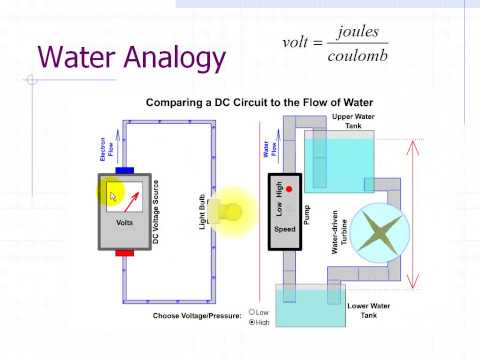
We started by reading a very convoluted article that treated complicated topics in E&M as if they were really quite elementary and simple. As a class we pretty much disagreed with that point! Particular treatment was given to the use of analogies in physics in particular the analogy of electricity as water flowing in a hose.
We also had a lengthy discussion on the word "model". Model has a multitude of definitions that get bandied about in science education all the time. We talked for a very long time without getting to any real conclusion. I like the idea that a model is just something that exists in the mind of the student that helps them make sense of the world. That is model with a lowercase 'm'. The models that we build in modeling instruction are Models with an uppercase 'M'. That way we can distinguish if we are talking about a simple model or a complex one with many representations that give us a full picture of a particular phenomenon.
After that we actually started with learning about charges and entered into student mode. In student mode we try and put ourselves into the mindset of our students. What would they know going into the class? What questions would they have? What would they be thinking? It is much harder to do than many would realize.
Laura rubbed a balloon on her hair and then stuck the balloon to the ceiling. We had to draw a force diagram for the forces on the balloon. Our original diagram looked like this:

We knew the balloon wasn't accelerating so the forces had to be balanced. But many others had a third force with the ceiling pushing down. We tried standing on chairs and looking to see if the balloon was deformed at the top but we couldn't really tell. Then Laura pulled the balloon down about 4 inches and let it go and it jumped back up to the ceiling!! Woah! So after that we discussed that the force upwards must be bigger than the force of the Earth pulling down so we made the change and added yet another ceiling force this time pushing down so that the forces were balanced.
The end result looked like this:

But how can the ceiling pull up and also push down? Since the balloon was pulled up without the ceiling touching it we concluded it must be some type of non-contact force. Some of my fellow students and I decided it must be some sort of static electricity force from the rubbing of the balloon. From prior knowledge we know this is most likely caused by the transfer of electrons from Laura's hair to the balloon or from the balloon to Laura's hair but we couldn't figure out a way to tell outside of just guessing. We also had some additional observations that as of yet are unexplained. The balloon only stuck to ceiling if the exact are Laura rubbed was placed near the ceiling. If we pointed the opposite side to the ceiling it did not stick. So it appears whatever is transferring stays in one location. Lastly, we didn't do anything to the ceiling so I'm not sure why're balloon stick to it and when we tried a balloon that was not rubbed it would not stick no matter what.
Hoping to answer some of these questions over the course of the unit, Laura gave us a tool to use that might help us. We did an activity with Scotch tape. We had to layer 3 pieces of tape on the table like this:

We made two of these set-ups but always left the last piece on the table in case we needed to reset the other tapes. The 2 pieces on top were labeled top and bottom. When we pulled off the two top pieces and held them together they repelled each other! The closer they got together the more intensely they seemed to repel. Then we stuck the tapes back down on the stack. The second time we pulled the top and bottom tapes off the stack at the same time. Then we separated the tapes in the air. The top tapes still repelled each other but they attracted the bottom tapes. When two bottom tapes were brought together they repelled as well. (Pro-tip: when you first pull the tapes off of the table run your fingers down them before separating the two tapes. This makes them work better) Then a curious thing happened. Don had given us some strips of paper and Al foil. Both of those were attracted to the top AND the bottom tapes. This seemed weird because the paper and foil did not attract each other at all, so it seemed as if they had no charge.
After some discussion we decided that like charges seem to repel each other since tops repel tops and bottoms repel bottoms. And then opposite charged objects attract each other but so do a charged object and a neutral object. So the only way we can really know the charge of something is if they repel. If this happens we can 100% know the charges are the same.
To try and figure out what was happening in the neutral objects attracting we zoomed into the tapes on a micro level and imagined the plus and minus charges of atoms. The pluses are in the nucleus and can't move, but the minus charges are zooming around the outside. SO when a plus charged object comes near a neutral one, the pluses in the charged object push on the electrons which depending on the material can move a little to a lot.
You can see in the image from a pHet sim we used. The minus charges in the wall bend away from the charged balloon leaving more pluses behind which can't move. So the surface of the wall is more positively charged and so the opposite charged balloon sticks to it. (This sim has a slight issue. In our experiences the charged side of the balloon has to face the wall in order for this effect to work. The opposite side from where we charged the balloon will not stick. Charges don't easily move on an insulator which the rubber of the balloon apparently is. Conductors like metal can allow electrons to move freely.) The opposite effect happens if you bring a positive charged object toward a neutral object. In the picture if the balloon had a positive charge on it the electrons would move toward the balloon leaving a net negative charge on the surface of the wall and they would attract. We named this phenomenon Polarization.

 We then played with Fun Fly sticks which through testing we discovered develop a positive charge on the end when you push a button. No clue how it works. We also used foam boards with rabbit fur to charge them and pie plates with a styrofoam cup to create an insulated handle. Last we had a pith ball hanging from a thread on an apparatus that Don called an electrophorus. A pith ball is a very light ball about the size of a marble. It has a silvery coating on it and is fairly easy to charge and discharge.
 In the top picture, the pith ball is neutral (equal + and -). The positively charged fun fly stick is brought near it and then we touch the pith ball. Since the ball is near a positive charged object the - charges in the ball are attracted and move toward the fly stick side of the ball. This leaves a positively charged area on the backside of the ball. As my finger got near to the pith ball the same thing happens again in my finger. The - charges are attracted to the tip of my finger. When I touch the ball some of those - charges move onto the ball because they are attracted by the positive charges near the surface and repelled by the negatives in the tip of my finger. When I remove my finger and the fun fly stick, the ball now has an excess of - charges so is negatively charged. You can do this in reverse if you bring the balloon (negative charge) near the pith ball. The charges leave the ball and go into my finger instead of the other way around.
I have more yet to discuss but this post is getting very long so I will make a part 2!
 |
| pHet Simulation Balloons and Static Electricity |
But we still don't know what charge the tapes are. Is top a + charge? A - charge? Well, apparently, it is well-known that a glass rod rubbed with silk develops a + charge. So we used that to determine charges of things that we didn't know. Results are listed in the next picture:

R stands for repel and A attract. Remember that only repelling tells us anything for sure so looking at the chart, top tape and glass are the same charge (positive), and bottom tape and plastic are the same charge (negative). The silk didn't really seem to react to anything, but since the glass became positive, the silk had to have become negative. This is due to the idea of conservation of charge. If the glass is becoming positively charged that means that negative charges are being removed from it. They have to go somewhere and the only logical place would be on the item rubbing against it. So the rubber balloon became negative (repelled the bottom tape in testing) which means the fur or hair (human fur) must take on a positive charge.
 We then played with Fun Fly sticks which through testing we discovered develop a positive charge on the end when you push a button. No clue how it works. We also used foam boards with rabbit fur to charge them and pie plates with a styrofoam cup to create an insulated handle. Last we had a pith ball hanging from a thread on an apparatus that Don called an electrophorus. A pith ball is a very light ball about the size of a marble. It has a silvery coating on it and is fairly easy to charge and discharge.
When you hold a charged object near the pith ball it attracts, but as soon as it touches the object it leaps away and then is repelled by it. We concluded that the pith ball must have had charges transferred to or from it through the contact. It didn't have a charge (attracted by polarization) then it did after it touched (same as the charged object that touched it.) To discharge the pith ball you touch it with your finger. We called this grounding. Evidently you can do this all day and not build up a charge yourself. We apparently have LOTS of electrons that we can donate or accept without changing our overall charge. Whereas the pith ball has very little mass and so the same number of electrons transferred is a large percentage of its overal charge.
We then did a weird thing with the pie plate. We charged a foam board and brought the pan close to, but not touching the foam. Then we touched the side of the pie pan and got a small shock. We removed the pan away from the foam and, upon testing, the pie pan had a positive charge! Then we touched the pan and again it gave a little shock and went back to being neutral. You could do this over and over and the foam didn't seem to ever lose charge. We drew out some representations of what we thought were happening to the charges and after discussion came up with this idea:
 In the top picture, the pith ball is neutral (equal + and -). The positively charged fun fly stick is brought near it and then we touch the pith ball. Since the ball is near a positive charged object the - charges in the ball are attracted and move toward the fly stick side of the ball. This leaves a positively charged area on the backside of the ball. As my finger got near to the pith ball the same thing happens again in my finger. The - charges are attracted to the tip of my finger. When I touch the ball some of those - charges move onto the ball because they are attracted by the positive charges near the surface and repelled by the negatives in the tip of my finger. When I remove my finger and the fun fly stick, the ball now has an excess of - charges so is negatively charged. You can do this in reverse if you bring the balloon (negative charge) near the pith ball. The charges leave the ball and go into my finger instead of the other way around.
I have more yet to discuss but this post is getting very long so I will make a part 2!
Thursday, June 23, 2016
The story so far...
So I have not blogged in a very long time. At least not on this blog. I feel I was a better teacher when I did, but life has been very crazy as of late (and by this I mean the last like 4 years.) But I'd like to get back into it. Reflection is crucial to improving yourself. Plus I have some ideas that have been percolating that I'd like to share. But that is for later this summer. After many summers of leading other teachers to the wonders of modeling instruction I finally get to go back as a participant this year with the E&M workshop. I could not be more excited for it. We are only 3 days in and already so many good things have come from it. I am currently working on the first unit summary and will be posting it soon after we are finished with the unit. I have a feeling we will be finishing it tomorrow or Monday at the latest. I have used many of the modeling materials for this unit before, but nowhere near as coherently. Very good stuff.
Tuesday, July 8, 2014
Standards Based Grading: A primer
So every year during the modeling workshop the question of grading comes up. I think it is a natural question because this teaching method is fundamentally different from what most of us have done before. A lot of the onus of the learning is placed upon the kids. They need to construct their own understanding from their experiences in class. This can be problematic because since our students come from different backgrounds (experiences, math abilities, reasoning abilities, etc.) it is ridiculous to think that they all reach understanding at the same time. So how do we handle this? How do we tell our students that it is ok to make mistakes and yet not have a grading system that allows for this?
Grading has always been a particular beef for me and I am sure like most of you, your grading system is eerily similar to a teacher you once had. The problem is that I think many of us never considered what our grades actually mean? What does a C on a quiz tell a student? How do you handle that question at a parent-teacher conference? If you are like me you probably have said, "Your student just needs to study more." Really? Does that actually help? What do I need to study? I need a study guide! As a student that doesn't really help me. And it leads to the the obvious conclusion that many students have.. "I'm not a good test taker." And while some students legitimately have test anxiety issues I would guess an enormous majority of the students who say this do not. They just don't understand the material.
So wouldn't it be nice to give them something specific to work on? If you told a student that the reason they got a C on a quiz is because they had difficulty interpreting a position vs. time graph. Now they have a direction. It is an actionable statement. And in my mind it is much preferred for both student and parent. These are the things that you get from your elementary student's teacher. Billy needs to work on his alphabet letters. Susan needs to practice her addition facts. This is something you can work with. Secondary grades? Not so much.
So I made the switch to Standards Based Grading. Not without a bunch of bumps in the road but it is definitely a trip that I have found rewarding as have my students. Much like physics modeling instruction there is not a "right one way" to do SBG. And you will find lots of resources for it. The main page that started me on this road are Think Thank Thunk by Shawn Cornally. He has several others that he links to on his page that I recommend checking out. I warn you though...
There are as many styles of SBG as there are traditional grading systems so I am sure you can find some to your liking. There are even some that are a hybrid of traditional and SBG together that I have seen. But no matter, SBG shifts the discussion from "What's my grade?" to "What do I need to work on to learn this?" It is a huge difference. Everyone can get an A as long as they master the standards.
So how does it look in my classroom?
I give the students a list of the unit standards at the beginning of the unit. I then give a series of short quizzes that spiral and build off each other. Each one tests anywhere from 3-5 standards usually. I score each standard on a 3 point scale (some would argue 4). A 3 means mastery of the standard. A 2 shows some understanding but with some mistakes. A 1 shows little understanding at all. A 0 is if they didn't take the assessment. When we are in the unit, most standards will get retested several times. If most of the students grasp the concept I will take it off the next quiz. If they struggle I will put questions on the next assessment for that standard. At no time is learning off limits to my students. So even if we are on Unit 4 and students are still working with Unit 1 standards, they can still retest those standards. If it is the next quarter I still let the students work on standards from the previous quarter. Even though this leads to more paperwork for me in regards to grade change forms, etc, they are worth it in my opinion because it reinforces the idea that it is ok in my class to make mistakes.
This change is hard for many of your students, but especially for your "Best" students. You know, the ones who have learned the game of school. Memorize, regurgitate, repeat. Nothing matters but the grade. Suddenly changing the rules on them is very difficult for them. They will need lots of reassurance and help but I have found all but the most entrenched are eventually converted. This is also challenging for many parents as they will not understand what you are trying to do and sometimes the message that comes home is not the best (see students referenced early in this paragraph.) I have found that having a script ready helps a lot for the parent contacts that are inevitable. As I have continued to use this method I have found parent phone calls have reduced as word has spread and on whole my students really grow to like this because they feel like they are actually accomplishing something. They are learning and they have proof.
I hope this helps. If you are not familiar with Rick Wormeli, you should be. Here are some of his youtube videos. Feel free to comment any questions you have!
Grading has always been a particular beef for me and I am sure like most of you, your grading system is eerily similar to a teacher you once had. The problem is that I think many of us never considered what our grades actually mean? What does a C on a quiz tell a student? How do you handle that question at a parent-teacher conference? If you are like me you probably have said, "Your student just needs to study more." Really? Does that actually help? What do I need to study? I need a study guide! As a student that doesn't really help me. And it leads to the the obvious conclusion that many students have.. "I'm not a good test taker." And while some students legitimately have test anxiety issues I would guess an enormous majority of the students who say this do not. They just don't understand the material.
 |
| I'll do the math for you... All of these students would get the same grade for the course. Does this seem right? |
So wouldn't it be nice to give them something specific to work on? If you told a student that the reason they got a C on a quiz is because they had difficulty interpreting a position vs. time graph. Now they have a direction. It is an actionable statement. And in my mind it is much preferred for both student and parent. These are the things that you get from your elementary student's teacher. Billy needs to work on his alphabet letters. Susan needs to practice her addition facts. This is something you can work with. Secondary grades? Not so much.
So I made the switch to Standards Based Grading. Not without a bunch of bumps in the road but it is definitely a trip that I have found rewarding as have my students. Much like physics modeling instruction there is not a "right one way" to do SBG. And you will find lots of resources for it. The main page that started me on this road are Think Thank Thunk by Shawn Cornally. He has several others that he links to on his page that I recommend checking out. I warn you though...
 |
| Woah. -Keanu Reeves |
There are as many styles of SBG as there are traditional grading systems so I am sure you can find some to your liking. There are even some that are a hybrid of traditional and SBG together that I have seen. But no matter, SBG shifts the discussion from "What's my grade?" to "What do I need to work on to learn this?" It is a huge difference. Everyone can get an A as long as they master the standards.
So how does it look in my classroom?
I give the students a list of the unit standards at the beginning of the unit. I then give a series of short quizzes that spiral and build off each other. Each one tests anywhere from 3-5 standards usually. I score each standard on a 3 point scale (some would argue 4). A 3 means mastery of the standard. A 2 shows some understanding but with some mistakes. A 1 shows little understanding at all. A 0 is if they didn't take the assessment. When we are in the unit, most standards will get retested several times. If most of the students grasp the concept I will take it off the next quiz. If they struggle I will put questions on the next assessment for that standard. At no time is learning off limits to my students. So even if we are on Unit 4 and students are still working with Unit 1 standards, they can still retest those standards. If it is the next quarter I still let the students work on standards from the previous quarter. Even though this leads to more paperwork for me in regards to grade change forms, etc, they are worth it in my opinion because it reinforces the idea that it is ok in my class to make mistakes.
This change is hard for many of your students, but especially for your "Best" students. You know, the ones who have learned the game of school. Memorize, regurgitate, repeat. Nothing matters but the grade. Suddenly changing the rules on them is very difficult for them. They will need lots of reassurance and help but I have found all but the most entrenched are eventually converted. This is also challenging for many parents as they will not understand what you are trying to do and sometimes the message that comes home is not the best (see students referenced early in this paragraph.) I have found that having a script ready helps a lot for the parent contacts that are inevitable. As I have continued to use this method I have found parent phone calls have reduced as word has spread and on whole my students really grow to like this because they feel like they are actually accomplishing something. They are learning and they have proof.
I hope this helps. If you are not familiar with Rick Wormeli, you should be. Here are some of his youtube videos. Feel free to comment any questions you have!
Monday, June 30, 2014
Days 3,4,5 SEMiModPhys14: Why three days in one?
Answer: I'm lame.
These last three days have been difficult for me. I have been worried that we aren't making the impact that I have been hoping for. Are the participants getting the same transformative experience I got? Just wait.. Be patient.. But it is so hard.
I think it is starting to happen though and I think the Hammer and Mestre articles helped a lot. Comments and questions have subtly been changing from the "I don't know if this will work" variety to more in line with "How will I make this work?" That is a huge step in my mind. There are many who I know will never go back. Others that are on the fence and a few who I think still need some time to process everything.
One of the biggest hang-ups I think some people are still having is the question of student buy-in. How will you get your students to fundamentally change to where they accept this radical change where you have removed the spoon from their mouths? It is not easy for some. But I think most crave this style of education. They just don't know it. So how do you build this culture of cooperative student learning? For me, culture building is another aspect of my class. Do I get preachy at times? Yep. Do I tell them repeatedly that I have utmost confidence in their physics and science abilities? Yep. Do I actually believe that? Yep. And I think that is the difference right there. I truly think that EVERY kid that comes into my classroom will learn physics. They may not get a perfect score on the FCI when I'm done. (Did I just say may?) But they will learn. And they will have fun doing it. And they will ask me to give them homework. Even though it is not graded. Ever.
Crazy right? No. It's not. It happens. And not just with my IB students. It happened in the normal high school I taught at as well. Students want to learn. They want to be challenged. They want to be told they can fail and you will still admire, love and respect them. And I do. It's not rocket surgery people.
I guess this goes for my students this summer too. No matter what the outcome, I know they will go back into their classrooms changed from the experience this summer. I know they will think about their student's understanding. I know they will try and probe for misconceptions and work to correct these to create a better conceptual foundation for what they teach. So I guess I've already made that difference I was hoping for, and I haven't even showed them my bowling ball lab.
These last three days have been difficult for me. I have been worried that we aren't making the impact that I have been hoping for. Are the participants getting the same transformative experience I got? Just wait.. Be patient.. But it is so hard.
I think it is starting to happen though and I think the Hammer and Mestre articles helped a lot. Comments and questions have subtly been changing from the "I don't know if this will work" variety to more in line with "How will I make this work?" That is a huge step in my mind. There are many who I know will never go back. Others that are on the fence and a few who I think still need some time to process everything.
One of the biggest hang-ups I think some people are still having is the question of student buy-in. How will you get your students to fundamentally change to where they accept this radical change where you have removed the spoon from their mouths? It is not easy for some. But I think most crave this style of education. They just don't know it. So how do you build this culture of cooperative student learning? For me, culture building is another aspect of my class. Do I get preachy at times? Yep. Do I tell them repeatedly that I have utmost confidence in their physics and science abilities? Yep. Do I actually believe that? Yep. And I think that is the difference right there. I truly think that EVERY kid that comes into my classroom will learn physics. They may not get a perfect score on the FCI when I'm done. (Did I just say may?) But they will learn. And they will have fun doing it. And they will ask me to give them homework. Even though it is not graded. Ever.
Crazy right? No. It's not. It happens. And not just with my IB students. It happened in the normal high school I taught at as well. Students want to learn. They want to be challenged. They want to be told they can fail and you will still admire, love and respect them. And I do. It's not rocket surgery people.
I guess this goes for my students this summer too. No matter what the outcome, I know they will go back into their classrooms changed from the experience this summer. I know they will think about their student's understanding. I know they will try and probe for misconceptions and work to correct these to create a better conceptual foundation for what they teach. So I guess I've already made that difference I was hoping for, and I haven't even showed them my bowling ball lab.
Wednesday, June 25, 2014
SEMIModPhys14 Day 2: Who is in student mode?
It is hard to believe this was only Day 2! This group is doing really well with the student mode. I felt like today's discussions were almost authentic to my classroom. This is such a huge advantage for the participants. They really get to see how an experienced modeler can deal with things that a student in their classroom might do or say. I hope they are taking good notes.
I remember the confusion I felt the first few days of my modeling workshop. I really didn't know much about it coming in and while things were happening that I thought was awesome I really didn't understand the power of it until the third unit we did. It is so hard to be patient and let the workshop unfold which is really what the participants need to do. We've already discussed the hypocrisy of the 2 hour lecture on constructivism and yet we are so quick to ask for that mode of transmission! Pretty ironic. It is how most of us learned though. How did we make it through as the grinder of science education with our sense of wonder as science teachers intact?
The other thing that arose today was some confusion about modeling practices versus teaching practices. For instance one participant commented on the fact that Laura let a lot of the same people talk and didn't force everyone to be engaged. This is not a modeling practice. This is a classroom management choice by the teacher. I think this will become clearer when they see more discussions led by the three of us facilitators. It will be quite apparent that we have vastly different styles even though we are all modelers. There is not a specific way to model. There is not a specific way to present the information necessarily. For me a good modeler knows what their students know and figures out a way to allow the students to build on that knowledge in a meaningful way that allows for changes to alternate conceptions that students have previously constructed. Sounds so easy, right? Well, not at first.. but hey we have 13 more days to practice!
New digs tomorrow as we move to Oakland University for the remainder of the workshop. Great space. I'm looking forward to getting in there and deploying our first model tomorrow! I do need to find a place for a bowling ball activity though....
I remember the confusion I felt the first few days of my modeling workshop. I really didn't know much about it coming in and while things were happening that I thought was awesome I really didn't understand the power of it until the third unit we did. It is so hard to be patient and let the workshop unfold which is really what the participants need to do. We've already discussed the hypocrisy of the 2 hour lecture on constructivism and yet we are so quick to ask for that mode of transmission! Pretty ironic. It is how most of us learned though. How did we make it through as the grinder of science education with our sense of wonder as science teachers intact?
The other thing that arose today was some confusion about modeling practices versus teaching practices. For instance one participant commented on the fact that Laura let a lot of the same people talk and didn't force everyone to be engaged. This is not a modeling practice. This is a classroom management choice by the teacher. I think this will become clearer when they see more discussions led by the three of us facilitators. It will be quite apparent that we have vastly different styles even though we are all modelers. There is not a specific way to model. There is not a specific way to present the information necessarily. For me a good modeler knows what their students know and figures out a way to allow the students to build on that knowledge in a meaningful way that allows for changes to alternate conceptions that students have previously constructed. Sounds so easy, right? Well, not at first.. but hey we have 13 more days to practice!
New digs tomorrow as we move to Oakland University for the remainder of the workshop. Great space. I'm looking forward to getting in there and deploying our first model tomorrow! I do need to find a place for a bowling ball activity though....
Day 1: SE Michigan ModPhys Workshop - Practice what I preach?
So seeing as how I am requiring the participants of the workshop to do a reflective blog I need to get back to my blogging ways again as well.
Day 1: This year's participants seem like they are in a good place for learning. There is a few that seem more open to the changes we will be suggesting than others, but that is typical. I felt the teachers did a fairly decent job of being in student mode today. We only had a few lapses and hopefully this will get better as the workshop continues. Time got a little bit away from us today and we didn't get quite as far as we had hoped, but again this is fairly typical! Laura, Michelle and I seem to be working together pretty well. We had a couple of small fumbles today, but they were small and I am sure we will work out the small wrinkles in our communication. The best thing is that I feel I can trust both of my co-facilitators and they trust me as well. We all have different styles which I think is awesome for the participants to see. I am also really excited because we all teach different levels of students. This will really allow for the participants hopefully see the way this method can be adapted to all situations.
I am excited to see how Circle Lab #1 resolves tomorrow as well as the remaining lab boards. The conversation was so good and so authentic to something that could happen in the classroom. Overall it was a great first day. (Well besides all the boring paperwork stuff before lunch!)
Oh, and did I mention tomorrow we use Tumble Buggies? Oh yeah.

Why blog? One of the participants in her blog asked what are the rules as far as what should you say in a blog. The power of the blog in my opinion is that it is public. You are putting your thoughts out for the world to critique. This is what makes it so much better than a private journal. Sure you need to be careful choosing your words, but I think that is also a good thing.
“If you hide your ignorance, no one will hit you and you'll never learn.”Ray Bradbury - Fahrenheit 451
Day 1: This year's participants seem like they are in a good place for learning. There is a few that seem more open to the changes we will be suggesting than others, but that is typical. I felt the teachers did a fairly decent job of being in student mode today. We only had a few lapses and hopefully this will get better as the workshop continues. Time got a little bit away from us today and we didn't get quite as far as we had hoped, but again this is fairly typical! Laura, Michelle and I seem to be working together pretty well. We had a couple of small fumbles today, but they were small and I am sure we will work out the small wrinkles in our communication. The best thing is that I feel I can trust both of my co-facilitators and they trust me as well. We all have different styles which I think is awesome for the participants to see. I am also really excited because we all teach different levels of students. This will really allow for the participants hopefully see the way this method can be adapted to all situations.
I am excited to see how Circle Lab #1 resolves tomorrow as well as the remaining lab boards. The conversation was so good and so authentic to something that could happen in the classroom. Overall it was a great first day. (Well besides all the boring paperwork stuff before lunch!)
Oh, and did I mention tomorrow we use Tumble Buggies? Oh yeah.

Friday, September 27, 2013
Standards based grading (SBG) from a new perspective.
I have been using standards based grading for several years now. It is the fairest way that I can see to inform a kid and their parents of how he or she is doing in my class. I love the feedback they get. I love the openness it creates in communication between student and learner. I love how it converts point-grubbing students back into actual learners. In a nutshell, I love it. And I love that I can't stop talking to my colleagues about how great it is. It is one of the best things I've done for my teaching.
But not everyone uses it. And previously I was O.K. with that. I have great repect for my fellow educators. I am willing to do what I do because I feel there is a problem with the traditional grading system. But there are many who don't. And I can respect that. Or at least I thought I could. Because up until now my son has always received straight A's. This year he started junior high. It is three weeks into school and he has missing assignments.
Some of his teachers don't accept late assignments. Or reduce the credit significantly. And it is surreal to me. Because I used to be that teacher. I was on this kick that someone had to show them responsibility. This is a very real theme in junior high schools. Sure I gave them something. Even back then I realized that a zero would kill a kid's chances of ever coming back from F-dom. So my lowest grade was a 50% if they turned it in late. (I know what you are thinking... How gracious of me!) I also gave extra credit to help improve the grade. (Although I wouldn't accept it if you had any missing assignments.) So I totally get where they are coming from.
BUT THEY ARE TOTALLY WRONG!!!! Sorry about that. I can't handle it now that it is my son being affected by the nonsensical grading system. What is the point of education? Is it to make sure things are turned in on time? Is that really our top priority? That is not really what I think our focus should be. I'm with Rick Wormeli on this one. If it doesn't relate to the learning in the classroom of content, it shouldn't affect the grade.
Parent-Teacher Conferences should be interesting.
But not everyone uses it. And previously I was O.K. with that. I have great repect for my fellow educators. I am willing to do what I do because I feel there is a problem with the traditional grading system. But there are many who don't. And I can respect that. Or at least I thought I could. Because up until now my son has always received straight A's. This year he started junior high. It is three weeks into school and he has missing assignments.
Some of his teachers don't accept late assignments. Or reduce the credit significantly. And it is surreal to me. Because I used to be that teacher. I was on this kick that someone had to show them responsibility. This is a very real theme in junior high schools. Sure I gave them something. Even back then I realized that a zero would kill a kid's chances of ever coming back from F-dom. So my lowest grade was a 50% if they turned it in late. (I know what you are thinking... How gracious of me!) I also gave extra credit to help improve the grade. (Although I wouldn't accept it if you had any missing assignments.) So I totally get where they are coming from.
BUT THEY ARE TOTALLY WRONG!!!! Sorry about that. I can't handle it now that it is my son being affected by the nonsensical grading system. What is the point of education? Is it to make sure things are turned in on time? Is that really our top priority? That is not really what I think our focus should be. I'm with Rick Wormeli on this one. If it doesn't relate to the learning in the classroom of content, it shouldn't affect the grade.
Parent-Teacher Conferences should be interesting.
Thursday, June 20, 2013
Why I'm excited and can't sleep.
4 years ago I began this wonderful journey into modeling. I can't begin to describe how it has transformed me as a teacher. I'm excited that this year I get to come full circle as a facilitator for a whole new crop of teachers. These men and women will go through a workshop and transform their own classrooms into something they probably never imagined. So much is packed into the next 3 weeks. I can't wait to get started!
Tuesday, September 25, 2012
Why you need to master the standards.
So for the first time I am teaching freshmen physics. It is going really well so far. They all have had algebra 1 so I think I can do a lot of what I would normally do with modeling, but there are some differences. After pre-testing on unit conversion and sci. notation, etc. I find a lot of their skills are lacking, so I will definitely have to spend a little bit of time on that, but I think I want to move on and just intersperse that in where I need it. Nothing kills the momentum of a science class more than spending days doing rote problems. It is important though so I will be making those standards for my freshmen to tackle.
Whiteboarding is going well though with the freshmen. I think part of it is they are here for the first time in a new building. They knew the school was different than a traditional program and they are just rolling with it. I would say I have nearly 65% of my students already participating in discussions after only a couple times doing it. That is great and makes me very excited for where I can go with it. Not only that, but the thinking shown by some of them based on their comments has already impressed me.
I'm wrapping up my intro to graphing and whiteboarding labs this week and will be moving on to constant motion next week. Can't wait!
The other new development is the new state law that mandates teacher evaluations. I'm really impressed by them. And they are creating something that I think I really have hoped for since I became a teacher. When I did my student teaching I thought it was very valuable when my supervisor or supervising teacher would watch my lessons and give me feedback. After reading this article, I tried to get some colleagues to try coaching without a whole lot of luck. I think it would be great to get outside eyes watching what I do and sharing what they see from their perspective. Up until now our evaluation method was a joke. Administration would have to announce when they were coming in in advance. I always thought that was stupid. What if health inspectors had to tell you in advance they were coming to check your restaurants kitchen? I bet they'd have a LOT less violations. I never told my administrator a date any more than, "Probably not Tuesday I'm giving a test. Any other day would be fine." I didn't put on a show when they came in. I did my lesson. But the evaluation was usually short and didn't really give me the feedback I was hoping for. I didn't have any benchmarks. My feedback has always positive for what I was doing, but that was sort of the problem. I know I am not the best teacher I can be. I know I will never be the best teacher I can be because perfection is impossible in this profession. Every year brings new students and new combinations of challenges. That is what I love about my job. So the old evals didn't fulfill me. So what about the new ones?
I can't wait to start. As opposed to the old method where I get observed once every three years for about 20 minutes. I will be observed 6-8 times over the course of this year. I will have a pre-observation meeting where I can discuss with my administrator my goals and where I think I need to do the most work. Then throughout the process, I will have additional meetings where I will get feedback on what was observed. Then I will have a chance to change my practices before my next observation. And get this... They gave me a list of outcomes(standards) on which I will be assessed. I will know what standards I'm exceeding expectations and which ones I need to work on! I'm getting standards-based-grading for my teaching. So excited. Yes. I'm a dork.
The downside is now this rubric will be assigned points to judge my worth as a teacher. But as I tell my students, work on mastering the standards and your grade will take care of itself.
Whiteboarding is going well though with the freshmen. I think part of it is they are here for the first time in a new building. They knew the school was different than a traditional program and they are just rolling with it. I would say I have nearly 65% of my students already participating in discussions after only a couple times doing it. That is great and makes me very excited for where I can go with it. Not only that, but the thinking shown by some of them based on their comments has already impressed me.
I'm wrapping up my intro to graphing and whiteboarding labs this week and will be moving on to constant motion next week. Can't wait!
The other new development is the new state law that mandates teacher evaluations. I'm really impressed by them. And they are creating something that I think I really have hoped for since I became a teacher. When I did my student teaching I thought it was very valuable when my supervisor or supervising teacher would watch my lessons and give me feedback. After reading this article, I tried to get some colleagues to try coaching without a whole lot of luck. I think it would be great to get outside eyes watching what I do and sharing what they see from their perspective. Up until now our evaluation method was a joke. Administration would have to announce when they were coming in in advance. I always thought that was stupid. What if health inspectors had to tell you in advance they were coming to check your restaurants kitchen? I bet they'd have a LOT less violations. I never told my administrator a date any more than, "Probably not Tuesday I'm giving a test. Any other day would be fine." I didn't put on a show when they came in. I did my lesson. But the evaluation was usually short and didn't really give me the feedback I was hoping for. I didn't have any benchmarks. My feedback has always positive for what I was doing, but that was sort of the problem. I know I am not the best teacher I can be. I know I will never be the best teacher I can be because perfection is impossible in this profession. Every year brings new students and new combinations of challenges. That is what I love about my job. So the old evals didn't fulfill me. So what about the new ones?
I can't wait to start. As opposed to the old method where I get observed once every three years for about 20 minutes. I will be observed 6-8 times over the course of this year. I will have a pre-observation meeting where I can discuss with my administrator my goals and where I think I need to do the most work. Then throughout the process, I will have additional meetings where I will get feedback on what was observed. Then I will have a chance to change my practices before my next observation. And get this... They gave me a list of outcomes(standards) on which I will be assessed. I will know what standards I'm exceeding expectations and which ones I need to work on! I'm getting standards-based-grading for my teaching. So excited. Yes. I'm a dork.
The downside is now this rubric will be assigned points to judge my worth as a teacher. But as I tell my students, work on mastering the standards and your grade will take care of itself.
Tuesday, August 28, 2012
A new slate.
I began this blog 2 years ago as a means for me to reflect on my teaching. I did not anticipate that anyone would ever actually read it. To my surprise people did find it and I appreciated the feedback. Then I made one post in the last year. Despite that I still run into people who have found this blog and appreciate it so I thought I might as well jump back into it. I am probably back to typing to myself again but that is no matter. That was my original intent all along. If it helps others then that is awesome. So thanks to those few still here. I plan on posting at least one blog entry a week. Maybe more if I can.
So a new year and a new challenge. My students did not do very well on their IB exam in physics last year. I had a feeling that would happen though. I came in late to the game and found that my students were lacking in many of the basics. IB physics is a 2 year program and they had a different teacher for the first year. She did a commendable job considering her situation. She is a math teacher who was thrown into teaching chemistry and physics for the first time ever. Add to that a new math course as well and I can't blame her for any of the student's lacking. I had hoped to fill in some of the gaps but just ran out of time. But I feel much better about this year's group of seniors. They are a great group and will do much better this year I am sure. Plus I know now a lot more on how to prepare them for the test this year.
In addition to this I will be teaching all the freshmen in our program introductory physics. I've not taught physics to 9th graders before. There are only 5 incoming freshmen who haven't had algebra so I think I will be able to include some of the math rather than making it purely conceptual. In addition as one of only 2 teachers in the program who have all of the freshmen it will fall onto me to help nurture the culture we expect at the Academy. I have some plans on this. I may have them read a bit of Carol Dweck's Mindset. I want to get them started early and often though with thinking about their thought processes and how they are actually learning. It should be fun!
So a new year and a new challenge. My students did not do very well on their IB exam in physics last year. I had a feeling that would happen though. I came in late to the game and found that my students were lacking in many of the basics. IB physics is a 2 year program and they had a different teacher for the first year. She did a commendable job considering her situation. She is a math teacher who was thrown into teaching chemistry and physics for the first time ever. Add to that a new math course as well and I can't blame her for any of the student's lacking. I had hoped to fill in some of the gaps but just ran out of time. But I feel much better about this year's group of seniors. They are a great group and will do much better this year I am sure. Plus I know now a lot more on how to prepare them for the test this year.
In addition to this I will be teaching all the freshmen in our program introductory physics. I've not taught physics to 9th graders before. There are only 5 incoming freshmen who haven't had algebra so I think I will be able to include some of the math rather than making it purely conceptual. In addition as one of only 2 teachers in the program who have all of the freshmen it will fall onto me to help nurture the culture we expect at the Academy. I have some plans on this. I may have them read a bit of Carol Dweck's Mindset. I want to get them started early and often though with thinking about their thought processes and how they are actually learning. It should be fun!
Wednesday, December 7, 2011
Why I'm winning.
Ok. I started this post on Nov. 11th! Time to finish it up don't you think?
Changing schools is hard. You have no reputation. You have no connection with students or staff. You have not developed the trust that comes from these things. So you can imagine the chaos that ensued when I arrived with all my new-fangled teaching ideas. Modeling and SBG at a school that has seen neither before. It has been an exciting few months.
My biggest hurdle to date has been my students view that I am some guardian to the knowledge. My new position is at an IB acadamy in my district. The kids are hard workers, but they are grade obsessed. Their visions of college are the best available and they will not entertain any ideas of any lesser program. They are experts in the game of school and my style of teaching is making many of them very uncomfortable.
I made myself a goal this year not to lecture in my Biology class. I have been weeding the practice out the last few years. In fact last year I used it mainly as a review before a test. But this year I decided to forego it completely. At this point I think it has been rather successful. In the words of Dan Meyer I am being less helpful. The kids are doing more than they ever have for me and are learning great things. I think the move to SBG made this all possible. Students are in control of their learning. I still have all my old powerpoints, and I have made them available to the students. I just don't waste classtime reading them. So what do I do instead? We whiteboard ideas. We have socratic dialogues about the labs we have completed. We analyze texts and problem solve and think. We research current issues and hold debates. My students are getting a conceptual grounding in what make Biology so important. And the tide is turning my way.
At first my students were very frustrated. "How can we learn if you won't teach us?" "I really need a lecture to be able to understand the material!" "You need to give us more homework!" "How can I get an A if you don't collect our homework?" That lasted until students first started retesting on objectives they had missed. They soon discovered that I could very quickly spot a memorized response. They discovered that I was looking for deeper connections to a conceptual understanding. They discovered that I expect them to do homework because it is vital to their learning and not to jump through a hoop. They discovered that they can do way more than they had thought. How do I know this? Because these are the questions/statements I'm getting now. "Wow! I'm so happy I failed that first test. I am learning so much now!" "I'm having trouble understanding hydrogen bonding. Do you know of a resource I could use?" "Dude, you have to know it better than that if you expect Mr. B to give you a 3." "Can you give me some problems so I can practice calculating magnification?"
The climate is a-changing. I'm so enjoying the ride.
Changing schools is hard. You have no reputation. You have no connection with students or staff. You have not developed the trust that comes from these things. So you can imagine the chaos that ensued when I arrived with all my new-fangled teaching ideas. Modeling and SBG at a school that has seen neither before. It has been an exciting few months.
My biggest hurdle to date has been my students view that I am some guardian to the knowledge. My new position is at an IB acadamy in my district. The kids are hard workers, but they are grade obsessed. Their visions of college are the best available and they will not entertain any ideas of any lesser program. They are experts in the game of school and my style of teaching is making many of them very uncomfortable.
I made myself a goal this year not to lecture in my Biology class. I have been weeding the practice out the last few years. In fact last year I used it mainly as a review before a test. But this year I decided to forego it completely. At this point I think it has been rather successful. In the words of Dan Meyer I am being less helpful. The kids are doing more than they ever have for me and are learning great things. I think the move to SBG made this all possible. Students are in control of their learning. I still have all my old powerpoints, and I have made them available to the students. I just don't waste classtime reading them. So what do I do instead? We whiteboard ideas. We have socratic dialogues about the labs we have completed. We analyze texts and problem solve and think. We research current issues and hold debates. My students are getting a conceptual grounding in what make Biology so important. And the tide is turning my way.
At first my students were very frustrated. "How can we learn if you won't teach us?" "I really need a lecture to be able to understand the material!" "You need to give us more homework!" "How can I get an A if you don't collect our homework?" That lasted until students first started retesting on objectives they had missed. They soon discovered that I could very quickly spot a memorized response. They discovered that I was looking for deeper connections to a conceptual understanding. They discovered that I expect them to do homework because it is vital to their learning and not to jump through a hoop. They discovered that they can do way more than they had thought. How do I know this? Because these are the questions/statements I'm getting now. "Wow! I'm so happy I failed that first test. I am learning so much now!" "I'm having trouble understanding hydrogen bonding. Do you know of a resource I could use?" "Dude, you have to know it better than that if you expect Mr. B to give you a 3." "Can you give me some problems so I can practice calculating magnification?"
The climate is a-changing. I'm so enjoying the ride.
Tuesday, September 6, 2011
What happened to summer?
I had truly planned on being a blogging fiend this summer. What happened? I bought a new house. 'Nuff said.
Lots of changes for me though and so I feel it is time for my blog to morph as well. I accepted a position at my districts IB school. I'm still teaching Physics but have also jumped from Intro Biology to teaching the AP/IB Bio course. Now that I have had so much success teaching physics using the modeling method it is infuriating to teach any other way. I must figure out how to teach this way with biology. So I will still be exploring physics, pedagogy, and technology, but I will also delve more into my attempts at "modeling up" my bio course. More to come soon I hope!
Lots of changes for me though and so I feel it is time for my blog to morph as well. I accepted a position at my districts IB school. I'm still teaching Physics but have also jumped from Intro Biology to teaching the AP/IB Bio course. Now that I have had so much success teaching physics using the modeling method it is infuriating to teach any other way. I must figure out how to teach this way with biology. So I will still be exploring physics, pedagogy, and technology, but I will also delve more into my attempts at "modeling up" my bio course. More to come soon I hope!
Tuesday, June 28, 2011
Why I am excited today.
What a blast these last two days have been. I have had the opportunity to visit with this year's crop of modeling workshop participants. It seems crazy to me that only 1 year ago I was in their shoes. It seems like such a long time ago. I have grown so much as an educator in the last year. This post is directed at these new "new modelers".
Today I gave the advice to join twitter. This was the best thing I have ever done for my teaching. (Well besides the modeling workshop of course.) So why Twitter?
1. Well it is a lot less of a time waster than facebook.
2. You don't need to "friend" someone to hear their ideas. If you get tired of watching someone's tweets you can unfollow them without the guilty feelings of "unfriending" them.
3. Hashtags make a great way to focus your twitter feed on a particular topic.
4. There is a huge community of educators already connected on twitter. There is a pool of like-minded professionals to answer your questions. Try the hashtags #scichat (meetings every Tuesday at 9), #edchat, #physics, #physicsed just to name a few. As you find people whose comments you like, follow them. Soon you will have a stream of interesting ideas flooding your way.
I mentioned Planbook. Great software that allows you to keep an electronic lesson plan book. You can post your lessons in an online calendar. It even allows you to attach documents and such so you can find them later. Very cool stuff.
Finally, I mentioned many great blogs. I have some of them listed in the table to the left. From there I'm sure you will find many others, but I recommend starting your own. I got a lot out of forcing myself to reflect on my journey into modeling. As an added bonus I began to get feedback that was invaluable on my journey. If you start one let me know. I guarantee you will have at least one follower!
Today I gave the advice to join twitter. This was the best thing I have ever done for my teaching. (Well besides the modeling workshop of course.) So why Twitter?
1. Well it is a lot less of a time waster than facebook.
2. You don't need to "friend" someone to hear their ideas. If you get tired of watching someone's tweets you can unfollow them without the guilty feelings of "unfriending" them.
3. Hashtags make a great way to focus your twitter feed on a particular topic.
4. There is a huge community of educators already connected on twitter. There is a pool of like-minded professionals to answer your questions. Try the hashtags #scichat (meetings every Tuesday at 9), #edchat, #physics, #physicsed just to name a few. As you find people whose comments you like, follow them. Soon you will have a stream of interesting ideas flooding your way.
I mentioned Planbook. Great software that allows you to keep an electronic lesson plan book. You can post your lessons in an online calendar. It even allows you to attach documents and such so you can find them later. Very cool stuff.
Finally, I mentioned many great blogs. I have some of them listed in the table to the left. From there I'm sure you will find many others, but I recommend starting your own. I got a lot out of forcing myself to reflect on my journey into modeling. As an added bonus I began to get feedback that was invaluable on my journey. If you start one let me know. I guarantee you will have at least one follower!
Monday, June 6, 2011
What I learned this year.
Wow! Was it really February when I wrote my last post? Time is flying by. As my stress level has risen so has my lack of blogging. This semester did not go as planned. I think I bit off a bit more than I could chew this year with the SBG and the modeling at the same time. I think next year I will focus exclusively on the modeling and put SBG on hold for a year. I really like it and fully plan to implement it again in the fall. I have horrible organizational skills and keeping track of all the SBG testing and retesting has made for a severely sleep deprived person. I have to take a step back and just enjoy what I've got going on in the classroom.
My seniors are gone. So my class sizes have dwindled. I have 8 days left with my juniors. They took their final last week with the seniors. I am trying to work in some stuff with light but they have pretty much checked out at this point. (To be honest so have I!) I thought it would be good to do a wrap up of the year before I wage into my summer re-purposing for next year.
So back to the question at hand... What did I learn?
1. I need to be more organized. I spent hours grading papers and writing endless comments only to find them three weeks later buried in a pile on my desk never returned. SBG gave me never-ending streams of paper that I just wasn't prepared to handle. Before I tackle this again I have to become more efficient in these things.
2. I need to sell the method better. My buy-in for the modeling system was about 50:50. Some kids never got it. Some kids did. The frustrating thing was the kids who did would do their homework and would understand what was going on. The kids who didn't, didn't. Then I felt compelled to slow down to try and catch them up, but they never did and then the my "with-it" kids felt like the class was dragging. I don't want to give up my no-points-for-homework stance, but I need to figure out how to get those kids to catch up without slowing the class. (Insert plea for help from the likes of Kelly O'Shea here!)
3. My socratic method questioning needs work. I have improved a lot over the course of the year, but I am not very effective at this yet. Part of it may be the lack of buy-in, but I'm not really sure. My discussions were really going well by the end of December- beginning of January, but then the semester changed and my classes got scrambled. Even though the kids were the same the mix was different. The comfort level was gone and needed to be rebuilt. I just assumed that they would eventually catch back on with enough time. We all know what happens when you assume.... I really need to emphasize trust again at the semester just like I do at the beginning of the year. Anyone out there have any ideas for this?
4. I have to spend way more time on vectors. I treated this as a simple thing. Thought everyone was with me. I was very, very wrong. It plagued me all year. I re-taught and re-taught and thought they had it. Then vectors would come back. Crash and burn all over again.
5. The whole modeling thing goes slow at first and then speeds up.... Not so much. I am lucky in that I teach all three sections of introductory physics at my school. There are three other high schools in my district and they are roughly the same situation. Now technically I am supposed to keep pace with everyone else. I didn't. Not even close. In fact the district end of the year final had exactly 0 questions that my students had seen. But I learned that I am O.K. with this. I am willing to take the heat should any come my way. I am tired of jumping through hoops for the politicians. There is no way a student can learn ALL of physics in one year and actually understand it. I am willing to take the chance that my student may not know all the context for the standardized and state tests they have to take, but they will have a deep understanding of scientific and critical thinking. I think that will do them much better in the long run. So I didn't get to electricity and magnetism. I barely scratched the surface of light. But I did challenge my kids. I did get them to learn mechanics deeper than any students before them. I think I'm ok with that.
6. There is an amazing on-line community for physics education. I had no idea you existed until I began this blog. I am truly grateful for the encouragement, assistance, patience, and feedback you have given me this year. Now if I could just get one going for biology teachers..... Maybe I have to start a bio blog as well?
7. There are students out there that no matter what, do NOT think Physics is the best subject ever. I just don't get it! We play with toys on a daily basis. How is that not AWESOME!
8. True progress towards becoming a better teacher makes you realize how far you have to go. It makes me think of Man of La Mancha's The Impossible Dream. I used to think I was a pretty good teacher. Now I know I was a pretty good pseudoteacher. To truly inspire all kids to WANT to learn science is my impossible dream.
9. I am excited to try it all again next year. Yes, I have some battle scars from this year. But I see the value in the method. I saw true learning take place in my students. I had students knock the FCI out of the ballpark at the end of the year. My kids learned alot despite my meddling. Just wait until I learn to get out of their way!
I am sure I will have more lessons from this year but I feel I've rambled enough for now. Stay tuned for lessons learned part 2. (I promise not 3 months from now!)
My seniors are gone. So my class sizes have dwindled. I have 8 days left with my juniors. They took their final last week with the seniors. I am trying to work in some stuff with light but they have pretty much checked out at this point. (To be honest so have I!) I thought it would be good to do a wrap up of the year before I wage into my summer re-purposing for next year.
So back to the question at hand... What did I learn?
1. I need to be more organized. I spent hours grading papers and writing endless comments only to find them three weeks later buried in a pile on my desk never returned. SBG gave me never-ending streams of paper that I just wasn't prepared to handle. Before I tackle this again I have to become more efficient in these things.
2. I need to sell the method better. My buy-in for the modeling system was about 50:50. Some kids never got it. Some kids did. The frustrating thing was the kids who did would do their homework and would understand what was going on. The kids who didn't, didn't. Then I felt compelled to slow down to try and catch them up, but they never did and then the my "with-it" kids felt like the class was dragging. I don't want to give up my no-points-for-homework stance, but I need to figure out how to get those kids to catch up without slowing the class. (Insert plea for help from the likes of Kelly O'Shea here!)
3. My socratic method questioning needs work. I have improved a lot over the course of the year, but I am not very effective at this yet. Part of it may be the lack of buy-in, but I'm not really sure. My discussions were really going well by the end of December- beginning of January, but then the semester changed and my classes got scrambled. Even though the kids were the same the mix was different. The comfort level was gone and needed to be rebuilt. I just assumed that they would eventually catch back on with enough time. We all know what happens when you assume.... I really need to emphasize trust again at the semester just like I do at the beginning of the year. Anyone out there have any ideas for this?
4. I have to spend way more time on vectors. I treated this as a simple thing. Thought everyone was with me. I was very, very wrong. It plagued me all year. I re-taught and re-taught and thought they had it. Then vectors would come back. Crash and burn all over again.
5. The whole modeling thing goes slow at first and then speeds up.... Not so much. I am lucky in that I teach all three sections of introductory physics at my school. There are three other high schools in my district and they are roughly the same situation. Now technically I am supposed to keep pace with everyone else. I didn't. Not even close. In fact the district end of the year final had exactly 0 questions that my students had seen. But I learned that I am O.K. with this. I am willing to take the heat should any come my way. I am tired of jumping through hoops for the politicians. There is no way a student can learn ALL of physics in one year and actually understand it. I am willing to take the chance that my student may not know all the context for the standardized and state tests they have to take, but they will have a deep understanding of scientific and critical thinking. I think that will do them much better in the long run. So I didn't get to electricity and magnetism. I barely scratched the surface of light. But I did challenge my kids. I did get them to learn mechanics deeper than any students before them. I think I'm ok with that.
6. There is an amazing on-line community for physics education. I had no idea you existed until I began this blog. I am truly grateful for the encouragement, assistance, patience, and feedback you have given me this year. Now if I could just get one going for biology teachers..... Maybe I have to start a bio blog as well?
7. There are students out there that no matter what, do NOT think Physics is the best subject ever. I just don't get it! We play with toys on a daily basis. How is that not AWESOME!
8. True progress towards becoming a better teacher makes you realize how far you have to go. It makes me think of Man of La Mancha's The Impossible Dream. I used to think I was a pretty good teacher. Now I know I was a pretty good pseudoteacher. To truly inspire all kids to WANT to learn science is my impossible dream.
9. I am excited to try it all again next year. Yes, I have some battle scars from this year. But I see the value in the method. I saw true learning take place in my students. I had students knock the FCI out of the ballpark at the end of the year. My kids learned alot despite my meddling. Just wait until I learn to get out of their way!
I am sure I will have more lessons from this year but I feel I've rambled enough for now. Stay tuned for lessons learned part 2. (I promise not 3 months from now!)
Saturday, February 26, 2011
Why I love going to conferences.
MSTA update edition.
I just returned from the Michigan Science Teachers Association convention in Grand Rapids. It was awesome for many reasons.
I just returned from the Michigan Science Teachers Association convention in Grand Rapids. It was awesome for many reasons.
- I love being around teachers who want to improve their craft. This is why I truly appreciate all my tweeps and blog friends. They allow me to feel like I am at a conference on a daily basis. There were many great discussions held over many great fermented beverages. The ills of the education system were systematically dissected and solutions crafted. The dueling pianos weren't bad either.
- I presented for my first time ever at the conference. Wish I had taken video. Thought of it later. (DOH!) I was worried that only 3 people would show. My room was rather small which at first I thought was good. But when about 30 teachers showed up for a room that comfortably held 12 I realized that my worries were for naught. The most amazing thing was only about 4-5 people had even heard about modeling. I briefly (only had 45 mins) went through a description of modeling. I started by asking them to share with each other the one thing that they would want a student from their class to learn in their class. The only thing approaching a content standard was one teacher's desire for students to wear their seatbelts. The rest were ability to evaluate data, appreciate science, understand that while physics can be challenging they CAN understand it. I then launched into why those things then take the back burner to content? We don't need to be the pushers of content. There is google and wikispaces in their pockets 24-7. They need to be able to have science reasoning abilities to truly be good citizens. We need to push enough content to allow us to teach those skills. With good reasoning abilities and the ability to analyze data and graphs students could probably answer most content questions on standardized tests. At least make an educated guess. Anyway, I digress. The presentation went great. Whiteboards were used. I ended up giving them a ball rolling down a ramp problem to whiteboard where they had to create the PvT, VvT, and AvT graphs. I felt that was quick enough to have them whiteboard and discuss in the allotted time. I also figured we would get some different answers. We did. I intentionally picked a tougher problem. The ball rolled down hill from right to left. It started at X=50cm and rolled back to X=0cm. Some boards had v and a as positives; some were negative. Some were just wrong. But the beauty is in that 10 minute activity we generated at least 3 important topics with motion. They could see how the discussion immediately erupts as students try to resolve the differences. Lots of great feedback came from the session. I'm already planning my presentation for next year. Perhaps the use of Twitter and the Blogosphere as professional development?
- The awesome new connections and networking. I met at least 3 teachers that I had not known before who will have a hand in shaping my class for years to come. I plan to continue talking and collaborating with them for years to come. JT Miller's work with twitter was fascinating. His students all have twitter accounts (except two - parent decision). They regularly tweet about what is going on in his class (#tkcp). He tweets out homework and class activities to his students. Through a poll of his students, 50% of them have his tweets sent to their phone. 40% rely on his tweets to track their homework! Another teacher is doing great inquiry in Biology (no web site yet, sorry!). Her class is set-up on trimesters and each one is a case study where the required content objectives are incorporated as students try to solve the case. Great stuff. I'll most more once I get more info.
- Taco Boy burritos.
- Physics Educators meeting on Professional Development in Michigan. Several Physics teachers, ISD science coordinators, NSF contacts, and college professors met for an informal meeting over lunch. Currently their is one modeling workshop that runs in the summer in the Detroit area. We discussed how to get more training going on in more areas of the state. Lack of modelers who can train IN the state is limiting our possibilities. Lack of funding prohibits bringing in trainers from out of state. We discussed the possibility of getting serious funding through NSF. We also discussed modeling at the college level. Why is teacher prep for science still not constructivist? Why isn't all science at that level constructivist? Why are we spending all this money re-training teachers on true inquiry rather than doing it pre-service? Lots of great ideas were discussed. Lots of balls started rolling. Hopefully a critical mass can be reached!
- Seriously? You are still reading this? I'm impressed at your perseverance.
Friday, February 11, 2011
Why whiteboarding is going better.
So I made a shift in my class. The circle wasn't working out so well. Students were not discussing and lots of side conversations kept springing up. So I moved towards a presentation style format where one group gets up and presents to the rest of the class. Worked much better. The students were engaged. The students were debating. The students told me later how much fun class was. I love my job.
I think the shift is when only one group is up there is no confusion about who should be talking. When I had two groups go up today the silence happened again. No one took control. Once I had the other groups sit down conversation started again. Very curious to me!
I had a breakthrough with one of my students this week. On Tuesday we were in discussion and she asked me a question about force pairs. I told her I wasn't sure what the answer was. She replied in exasperation, "Yes you DO know the answer! You just want me to have to think!" Yes, Tiffany, yes I do.
Today she struck again. I gave out a quiz today. She glanced at it and said, "This is what we did yesterday."
"Yes," I replied."
"And this question is what we did earlier in the week!"
"Yep!"
"And I know this one too!"
"Tiffany, are you complaining that you understand everything on the quiz?"
"*chuckles* I guess I am! It's just not a very usual occurrence for me!"
I think the shift is when only one group is up there is no confusion about who should be talking. When I had two groups go up today the silence happened again. No one took control. Once I had the other groups sit down conversation started again. Very curious to me!
I had a breakthrough with one of my students this week. On Tuesday we were in discussion and she asked me a question about force pairs. I told her I wasn't sure what the answer was. She replied in exasperation, "Yes you DO know the answer! You just want me to have to think!" Yes, Tiffany, yes I do.
Today she struck again. I gave out a quiz today. She glanced at it and said, "This is what we did yesterday."
"Yes," I replied."
"And this question is what we did earlier in the week!"
"Yep!"
"And I know this one too!"
"Tiffany, are you complaining that you understand everything on the quiz?"
"*chuckles* I guess I am! It's just not a very usual occurrence for me!"
Wednesday, January 26, 2011
Why I think "challenging" and "hard" are not the same.
I stumbled across this blog post today and it brought to mind some conversations I had with students in the last week. I dislike it when my students say 'physics is hard.' I always tell them, 'It's not hard, it's challenging'. I don't know why I care. It is basically the same thing. But I guess to me the word hard connotes that it is too difficult to learn. A challenge is something that by definition must be overcome. It is my opinion that anyone can learn physics. I do not have a single student who I feel is incapable of learning the main concepts. Unfortunately some of these students do not believe that yet. It is a constant struggle to try and boost their self-confidence enough for them to become successful.
I have had some successes though. One student who continuously told me she "doesn't get it" is now whipping off force diagrams and doing simple trig calculations better than just about anyone in class. Oh and she is a special ed student who usually gets C's or D's in science. She got a B+ last quarter!
I have found that the students attitude for modeling makes a great impact on their success. If they don't buy into the program it is very difficult for them to learn anything.
I have had some successes though. One student who continuously told me she "doesn't get it" is now whipping off force diagrams and doing simple trig calculations better than just about anyone in class. Oh and she is a special ed student who usually gets C's or D's in science. She got a B+ last quarter!
I have found that the students attitude for modeling makes a great impact on their success. If they don't buy into the program it is very difficult for them to learn anything.
Subscribe to:
Posts (Atom)